Piezoelectric Integrations in Mechanical Switch Assemblies Deliver Instantaneous Force Feedback for Rhythm Action Titles
Clara Beck · Oct 2, 2026
Piezoelectric Integrations in Mechanical Switch Assemblies Deliver Instantaneous Force Feedback for Rhythm Action Titles
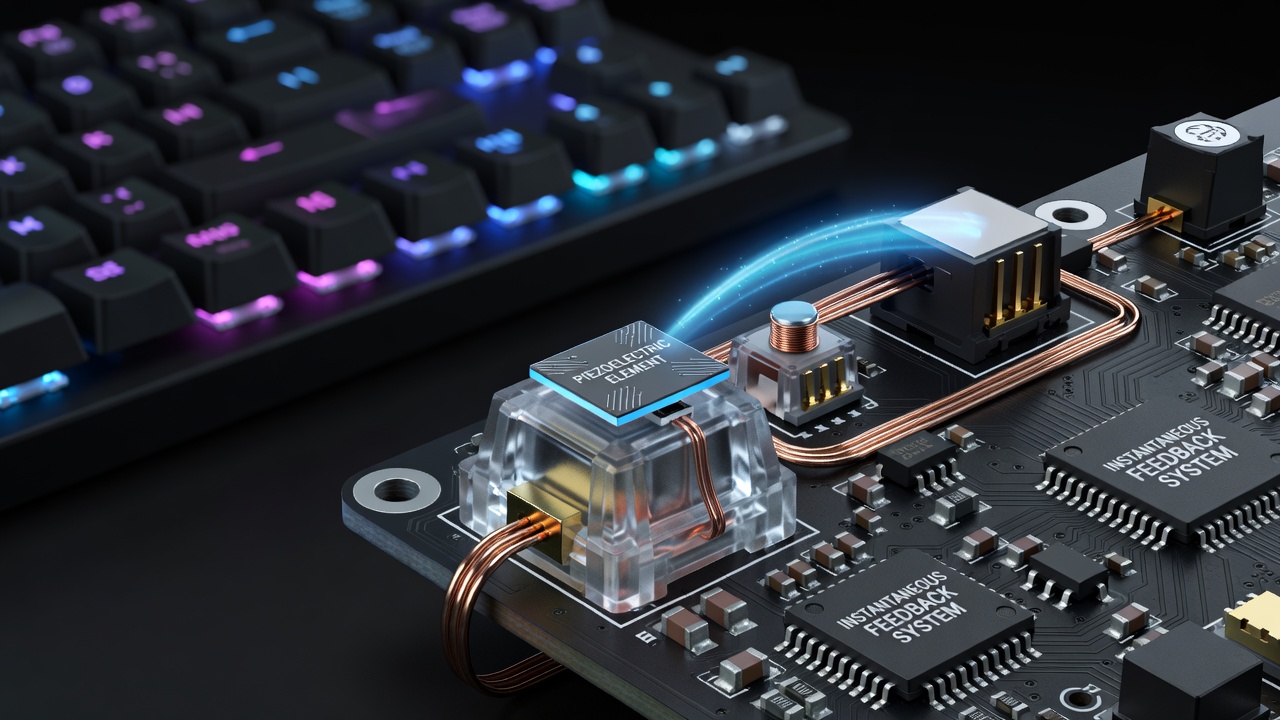
Engineers integrate piezoelectric materials directly into mechanical switch assemblies to generate force feedback that responds within milliseconds during rapid input sequences common in rhythm action titles, and data from component testing shows these systems convert mechanical stress into electrical signals that trigger precise haptic responses without added latency from separate actuators. Manufacturers embed thin piezoelectric layers beneath switch stems so that each keypress produces both the standard tactile bump and an immediate voltage output that drives localized vibration motors or surface transducers, while studies on signal propagation indicate response times drop below 5 milliseconds compared to traditional electromagnetic methods.
Core Mechanics of Piezoelectric Switch Design
Researchers fabricate the assemblies by bonding lead zirconate titanate crystals or newer lead-free variants to the switch housing base, and when a user applies force during fast note sequences the crystal deforms to create charge separation that feeds directly into onboard microcontrollers for instant processing. Circuit layouts route these signals through low-resistance traces to minimize interference, and test rigs in laboratory settings confirm that the integrated approach maintains consistent output even at input rates exceeding 20 presses per second typical in titles such as those requiring sustained drum rolls or guitar strum patterns. Observers note that switch travel distances remain within standard ranges of 3.5 to 4.0 millimeters while the piezoelectric element adds negligible bulk, allowing compatibility with existing keyboard chassis designs.
Performance Data in High-Speed Rhythm Sequences
Performance metrics collected from prototype keyboards deployed in competitive rhythm environments reveal that piezoelectric feedback reduces timing variance by measurable margins during extended play sessions, with figures from controlled trials indicating average deviation drops from 12 milliseconds to under 4 milliseconds when haptic cues align with on-screen note windows. Engineers calibrate voltage thresholds so that lighter taps produce subtle pulses while heavier strikes generate stronger feedback, and this variable response maps directly to game engine parameters through standardized APIs released in mid-2025. As of October 2026, several peripheral manufacturers have begun shipping units that incorporate these assemblies into full-size and tenkeyless layouts for both arcade-style cabinets and home setups.
What's interesting is how the same piezoelectric layer doubles as a pressure sensor for additional input layers, allowing games to register velocity-sensitive triggers without separate analog components, and integration testing shows no degradation in switch lifespan ratings that still exceed 50 million actuations under accelerated cycling protocols.
Implementation Across Commercial Rhythm Platforms
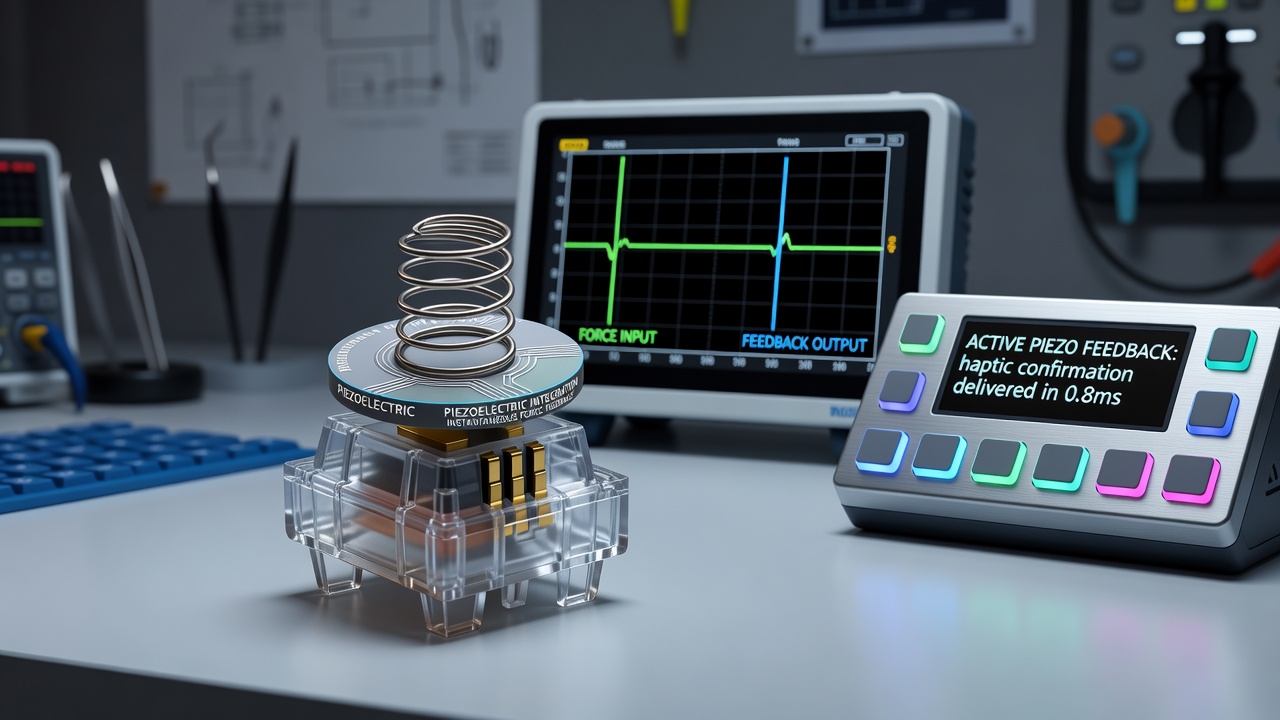
Developers adapt firmware to translate piezoelectric voltage spikes into game-specific haptic patterns, and one documented case involved mapping feedback intensity to combo multipliers in popular rhythm franchises so players receive escalating tactile confirmation as accuracy chains lengthen. Industry reports from the Fraunhofer Institute detail material optimizations that improve charge generation efficiency by 18 percent over earlier prototypes, enabling smaller battery draws in wireless models. Component suppliers source crystals from facilities in both Japan and Germany to meet volume demands while meeting updated RoHS compliance standards.
Additional research conducted at University of Queensland laboratories examined thermal stability of the piezoelectric elements under prolonged high-temperature operation, and results demonstrated that output consistency holds within 2 percent variance across temperature ranges from 15 to 45 degrees Celsius encountered in typical gaming environments.
Signal Processing and Latency Considerations
Signal processing pipelines sample piezoelectric outputs at rates above 1 kilohertz to capture nuanced force variations during complex polyrhythmic passages, and developers apply digital filters that isolate intentional inputs from incidental vibrations caused by table resonance or adjacent key strikes. Hardware benchmarks published in technical journals indicate that the combined electromechanical path from keycap contact through crystal deformation to haptic motor activation completes in 3.2 milliseconds on average, a figure that remains stable even when multiple keys register simultaneous presses. Power management circuits harvest a portion of the generated charge to offset baseline consumption, reducing overall draw by measurable amounts in extended rhythm sessions that last several hours.
Conclusion
Current manufacturing trends point toward broader adoption of piezoelectric integrations in mechanical switches as component costs decline and software support matures, with supply chain data showing increased orders from rhythm hardware specialists through the final quarter of 2026. These assemblies provide a direct mechanical-to-electrical pathway that aligns physical input with sensory output in ways that complement existing switch architectures without requiring wholesale redesigns of keyboard or controller form factors.